
Why Won't My Car Start Even Though the Battery Isn't Dead?
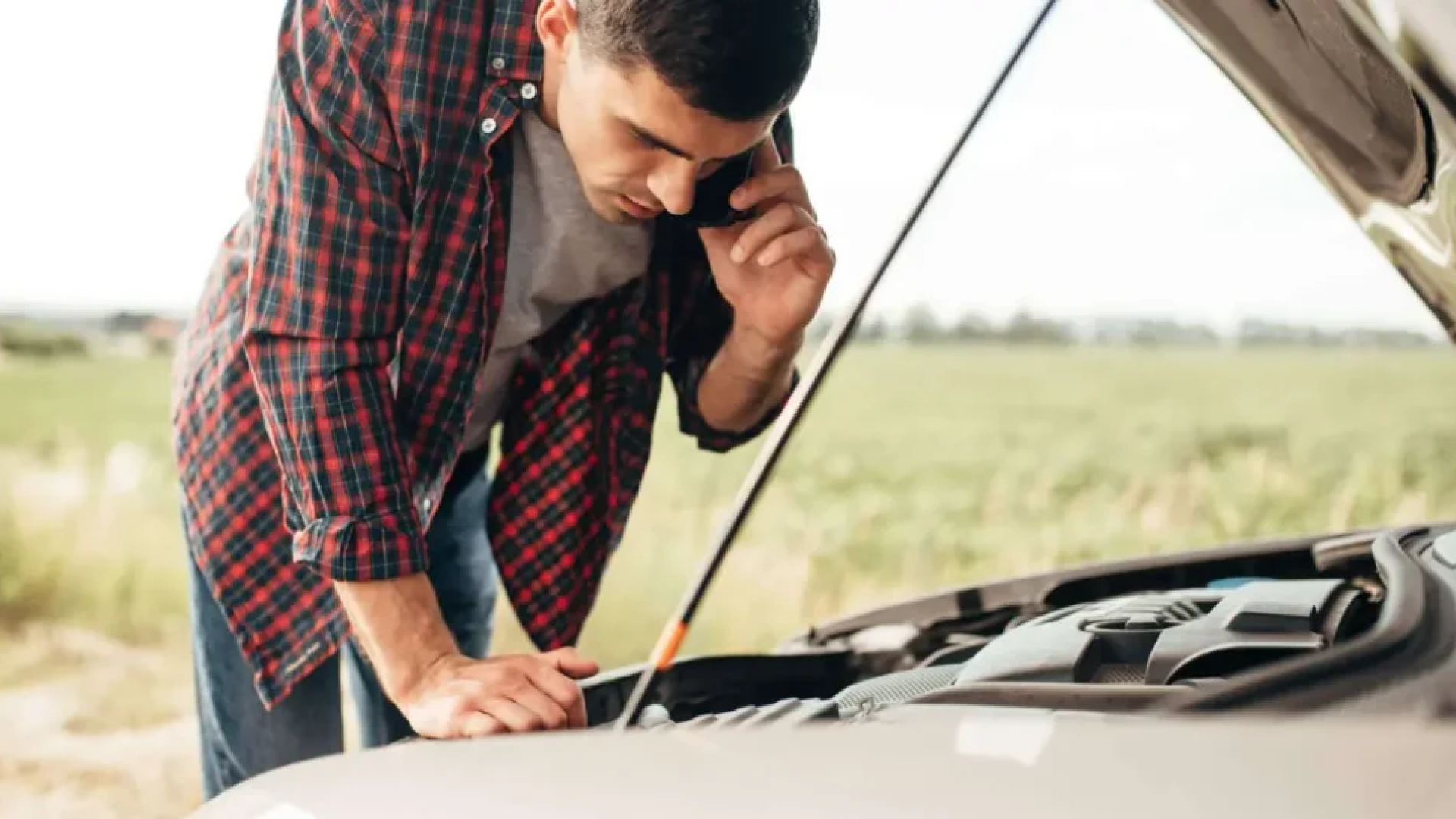
Few things are more frustrating than getting into your car, turning the key or pressing the start button, and finding that nothing happens. Your lights may work, the radio may turn on, and the battery seems fine, yet the engine still will not start.
If your car will not start even though the battery is not dead, the problem could be caused by several other issues, including a faulty starter, a bad alternator, fuel system problems, an ignition issue, or an electrical malfunction. Identifying the symptoms can help you understand what might be wrong and when it's time to call for roadside assistance.
Why a Car May Not Start When the Battery Is Fine
Many drivers assume a dead battery is the reason a vehicle will not start. While that is a common cause, it is far from the only one.
Modern vehicles rely on several systems working together to start the engine. If just one component fails, your car may refuse to start.
Common Reasons Your Car Won't Start
Faulty Starter Motor
The starter motor is responsible for turning the engine over when you start the vehicle.
Signs of a bad starter may include:
A clicking sound when turning the key
Dashboard lights coming on but the engine not cranking
Intermittent starting problems
Complete failure to start
A faulty starter often requires professional diagnosis and repair.
Bad Alternator
The alternator keeps the battery charged while the vehicle is running.
Even if the battery still has enough power to operate the lights or radio, a failing alternator can eventually prevent the vehicle from starting.
Common signs include:
Dim headlights
Electrical issues
Warning lights on the dashboard
Frequent battery problems
Fuel System Problems
Your engine needs fuel to start and run properly.
Problems with the fuel system can include:
Empty fuel tank
Faulty fuel pump
Clogged fuel filter
Fuel delivery issues
If the engine cranks but does not start, a fuel-related problem may be the cause.
Ignition Switch Issues
The ignition system sends power to the components needed to start your vehicle.
A failing ignition switch can cause symptoms such as:
No response when turning the key
Accessories working but the engine not starting
Intermittent starting problems
Damaged Battery Connections
Even if the battery itself is healthy, loose or corroded connections can prevent power from reaching the starter.
Inspecting the battery terminals may reveal:
Corrosion buildup
Loose cables
Damaged wiring
Poor connections can sometimes mimic the symptoms of a dead battery.
Security System Problems
Some vehicles have anti-theft systems that can prevent the engine from starting if the key or security system is not recognized properly.
Signs may include:
Flashing security light
Engine cranks briefly and stops
No response when attempting to start
Engine or Electrical Issues
Modern vehicles depend on numerous sensors and electronic systems.
A failure involving:
Engine sensors
Computer systems
Wiring
Relays
Fuses
can prevent your vehicle from starting even though the battery appears to be working.
What Should You Do If Your Car Won't Start?
Stay Calm
Vehicle starting problems can happen unexpectedly and do not always mean there is major engine damage.
Check the Obvious Things
Ask yourself:
Is the vehicle in Park or Neutral?
Do the dashboard lights come on?
Is there enough fuel in the tank?
Are there warning lights showing?
Sometimes the issue may be something simple.
Listen Carefully
The sounds your vehicle makes can provide clues.
No Sound at All
This could indicate an electrical issue, ignition problem, or starter failure.
Single Click
A starter or connection issue may be preventing the engine from cranking.
Engine Cranks but Does Not Start
This may point to a fuel or ignition problem.
Avoid Repeatedly Trying to Start the Vehicle
Constantly turning the key or pressing the start button can sometimes make the problem worse, especially if the starter or electrical system is already struggling.
When Should You Call for Roadside Assistance?
There are times when professional assistance is the safest and most practical option.
Consider calling for help if:
The vehicle will not crank at all
You suspect a starter problem
Warning lights are illuminated
The vehicle stopped unexpectedly
You are stranded in an unsafe location
You are unsure what is causing the problem
Professional roadside assistance can help determine whether the issue can be resolved on site or if towing is necessary.
Can a Jump Start Still Help?
Sometimes a battery may have enough power to turn on the lights but not enough power to start the engine.
In these situations, a jump start may still help.
However, if the vehicle continues to have starting problems after a jump start, the issue could involve:
The alternator
The starter
Electrical components
Charging system problems
A professional inspection may be needed to determine the exact cause.
How South County Wrecker Service Can Help
A vehicle that refuses to start can quickly disrupt your day and leave you stranded at home, work, or on the roadside.
South County Wrecker Service, through Roadside Assistance Towing Near Me, provides professional towing and roadside assistance services throughout South Montgomery County, Texas.
Drivers in The Woodlands, Conroe, Spring, Shenandoah, Magnolia, and nearby communities can receive assistance with:
24 hour towing
Roadside assistance
Car battery assistance
If your vehicle will not start and the cause is unclear, professional assistance can help you determine the next steps and get you safely back on the road. Contact us any time you need help.
Frequently Asked Questions
Why won't my car start if the lights still work?
The lights and radio require much less power than the starter motor. Problems with the starter, alternator, fuel system, or ignition system can prevent the engine from starting.
Can a bad starter mimic a dead battery?
Yes. A failing starter often causes clicking sounds or prevents the engine from cranking, which can seem similar to a dead battery.
Can a car battery be weak but not completely dead?
Yes. A battery may have enough power for accessories but not enough power to start the engine.
Should I keep trying to start my car?
Repeated attempts are generally not recommended because they may place additional strain on the starter and battery.
Can a blown fuse prevent a car from starting?
Yes. Certain electrical fuses and relays are essential to the starting system and can cause a no-start condition if they fail.
When should I call a tow truck?
If the vehicle will not start, you cannot identify the problem, or you are stranded in an unsafe location, contacting a professional towing or roadside assistance service is often the safest choice.
Conclusion
If your car won't start even though the battery isn't dead, several issues could be responsible, including problems with the starter, alternator, fuel system, ignition system, or electrical components.
While some situations may have simple solutions, others require professional diagnosis and assistance. Understanding the possible causes can help you stay calm, make informed decisions, and know when it's time to seek roadside assistance or emergency towing services.
