
Dead Car Battery at Night: What Should You Do?
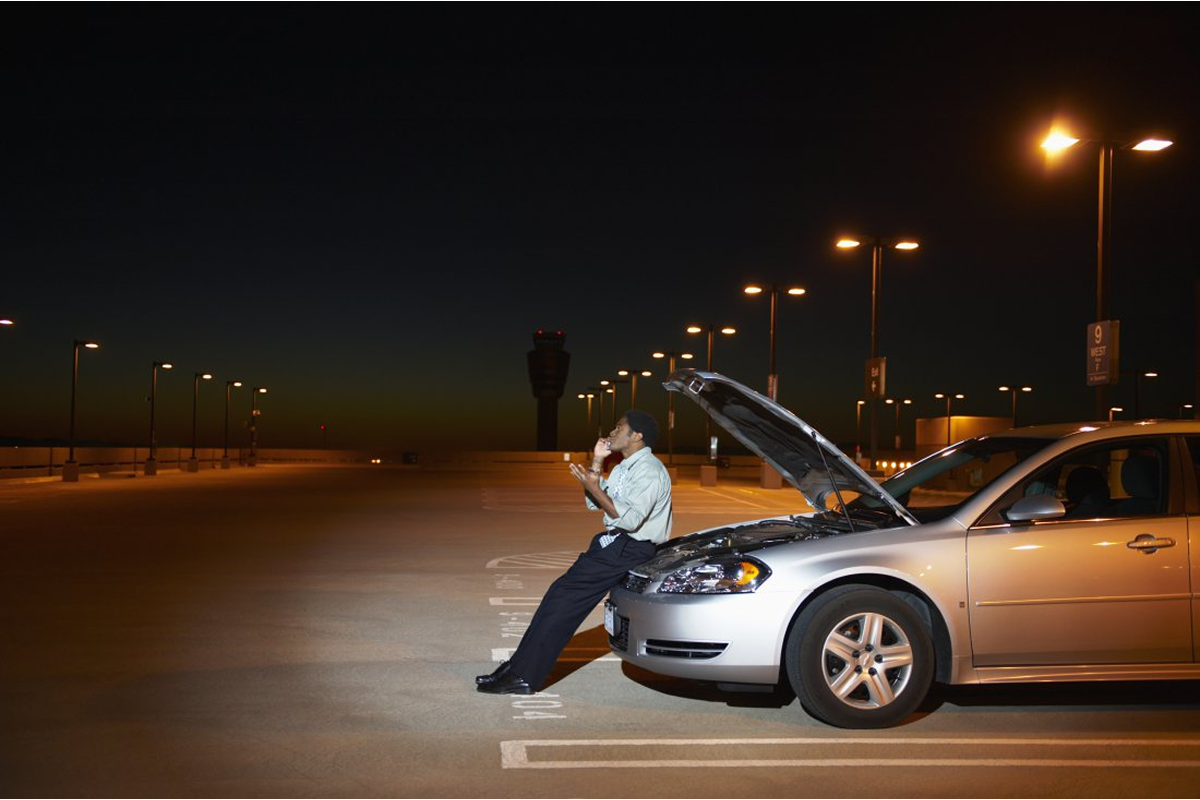
A dead car battery is frustrating at any time, but it can feel even more stressful when it happens at night. You may be in an unfamiliar area, dealing with poor visibility, or worried about getting home safely. The good news is that a dead battery is a common problem, and there are steps you can take to stay safe and get help quickly.
If your car battery dies at night, stay calm, turn on your hazard lights if possible, remain in a safe location, and contact roadside assistance or a towing service if you cannot restart the vehicle. Your safety should always come first.
Why Car Batteries Die at Night
A car battery can fail at any time, but some issues become more noticeable after dark when electrical systems are working harder.
Common reasons for a dead battery include:
Leaving headlights or interior lights on
An old or worn-out battery
Corroded battery terminals
A failing alternator
Extreme weather conditions
Electrical issues draining the battery
A vehicle that has not been driven for an extended period
Sometimes the battery gives warning signs before it fails, such as slow engine cranking or dim headlights. In other cases, the failure happens without much warning.
What Should You Do Right Away?
Stay Calm
A dead battery is usually not an emergency, but your location can make the situation more serious. Take a moment to assess your surroundings and avoid making rushed decisions.
Turn On Your Hazard Lights
If your vehicle still has enough power, activate your hazard lights to make your vehicle more visible to other drivers.
Move to a Safe Location If Possible
If your vehicle is already parked, remain where you are. If the battery dies while you are stopped on the roadside, stay as far from moving traffic as possible.
Be Aware of Your Surroundings
At night, visibility is reduced for everyone on the road. Pay attention to:
Traffic conditions
Lighting in the area
Nearby businesses or gas stations
Safe places to wait for assistance
How to Tell If the Battery Is Dead
Some signs that point to a dead battery include:
The engine will not crank
Clicking sounds when turning the key
Dim or non-working dashboard lights
Interior lights that are weak or do not turn on
Electrical accessories that stop working
If you are unsure whether the battery is the problem, professional roadside assistance can help diagnose the issue.
Should You Try a Jump Start?
A jump start may get your vehicle running again if the battery has simply lost its charge.
However, before attempting a jump start, consider these questions:
Is it safe to remain where you are?
Do you have jumper cables available?
Is there another vehicle nearby that can assist?
Are you comfortable performing the procedure?
If you are on the shoulder of a busy road or in a poorly lit area, waiting for professional assistance may be the safer choice.
Safety Tips During a Nighttime Breakdown
Stay Visible
If possible, keep your hazard lights on and use reflective equipment if you have it.
Avoid Standing Near Traffic
Nighttime conditions make it harder for drivers to see people outside their vehicles.
Keep Your Phone Charged
A charged phone allows you to call for help and share your location.
Lock Your Doors
If you are waiting inside the vehicle in a safe location, keeping your doors locked can provide additional peace of mind.
Accept Help Carefully
While many people want to help, it is generally safer to wait for professional roadside assistance.
When Should You Call for Professional Help?
A dead battery at night often requires assistance, especially if:
The vehicle will not start after a jump attempt
You do not have jumper cables
You are in an unfamiliar area
The battery has failed multiple times
You suspect another electrical problem
You are stranded in an unsafe location
Professional roadside assistance can provide a jump start, evaluate the battery condition, and determine whether additional service is needed.
Could the Problem Be Something Other Than the Battery?
Yes. Sometimes a vehicle that will not start has a different issue entirely.
Other possible causes include:
Faulty starter
Alternator problems
Loose battery connections
Electrical system issues
Ignition problems
If the vehicle still will not start after receiving a jump, further diagnosis or towing may be necessary.
How South County Wrecker Service Can Help
Vehicle problems do not follow a schedule, and a dead battery can happen late at night when you least expect it.
South County Wrecker Service, through Roadside Assistance Towing Near Me, provides professional towing and roadside assistance services throughout South Montgomery County, Texas.
Drivers in The Woodlands, Conroe, Spring, Shenandoah, Magnolia, and nearby communities can receive assistance with:
24 hour towing
Roadside assistance
Car battery assistance
Flat tire service
Professional roadside assistance can help you safely address a dead battery and determine whether additional repairs or towing are necessary. Contact us anytime, day or night.
Frequently Asked Questions
What should I do if my car battery dies at night?
Stay calm, turn on your hazard lights if possible, remain in a safe location, and contact roadside assistance if you cannot restart the vehicle.
Is it safe to wait inside my car?
If you are in a safe location away from traffic, staying inside the vehicle may be safer than standing outside at night.
Can a dead battery recharge itself?
No. A dead battery usually requires a jump start, charging, or replacement.
Why did my battery suddenly die?
Batteries can fail because of age, electrical issues, extreme temperatures, or accidentally leaving accessories on.
Should I keep trying to start my car?
Repeated attempts can drain the battery further and may not solve the underlying problem.
When should I call a tow truck?
If the vehicle will not start after a jump attempt or you suspect a more serious problem, professional towing assistance may be the safest option.
Conclusion
A dead car battery at night can be stressful, but staying calm and focusing on safety can make the situation much easier to manage. Turn on your hazard lights if possible, stay in a secure location, and seek professional assistance when needed.
Whether the problem is a simple dead battery or a larger electrical issue, knowing what steps to take can help you handle the situation confidently and get back on the road safely.
